What to Look for in a Quality Leather Hunting Rig
A quality leather hunting rig should do more than hold a firearm. It should provide secure retention, comfortable weight distribution, reliable access, and durability in outdoor conditions. Whether you are walking through brush, working around a ranch, or spending several hours in the field, the right rig should feel like part of your equipment rather than an uncomfortable obstacle.
Choosing one based only on appearance is a common mistake. Traditional leather may look impressive, but craftsmanship, fit, and function determine whether the rig performs well when it matters.
Start With Fit, Comfort, and Carry Position
A well-designed hunting rig should keep the firearm stable while allowing you to move naturally. It should not swing excessively when you walk, shift when you bend, or interfere with a backpack, jacket, binocular harness, or other outdoor gear.
Evaluate the Carry Position
Consider where the firearm will sit on your body. A chest-mounted design may be easier to reach when wearing a backpack or sitting in a vehicle, while a belt-mounted option may work well when your waist is clear of other equipment. In practice, the best position depends on your clothing, activity, and the gear you normally carry.
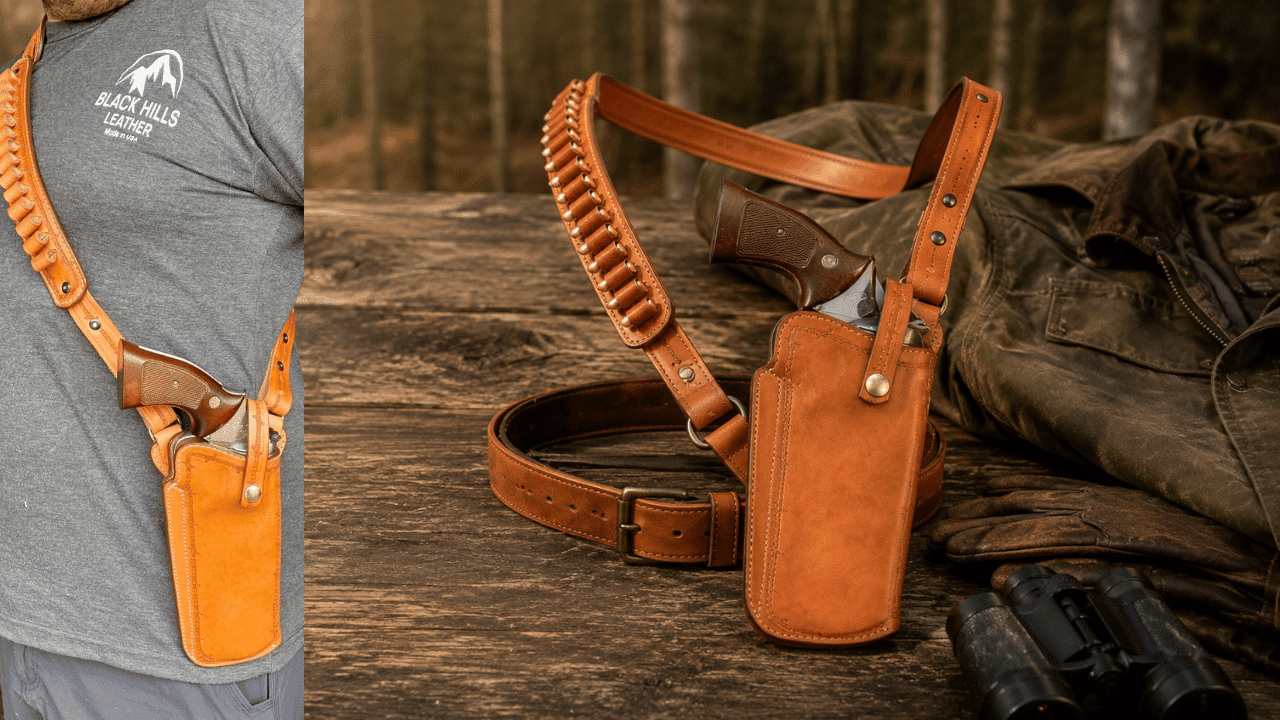
A properly fitted leather chest holster should distribute weight across the upper body without pulling sharply on one shoulder. Adjustable straps are important because the rig may need to fit over a light shirt during warm weather and a heavier coat during hunting season.
Check Firearm Compatibility
A quality rig should be shaped for the specific firearm model or frame size. A generic fit can create too much movement or place pressure on controls and sights. The firearm should enter and exit smoothly without feeling loose.
Always test the fit with the firearm unloaded and follow safe handling practices.
Inspect the Leather, Stitching, and Retention System
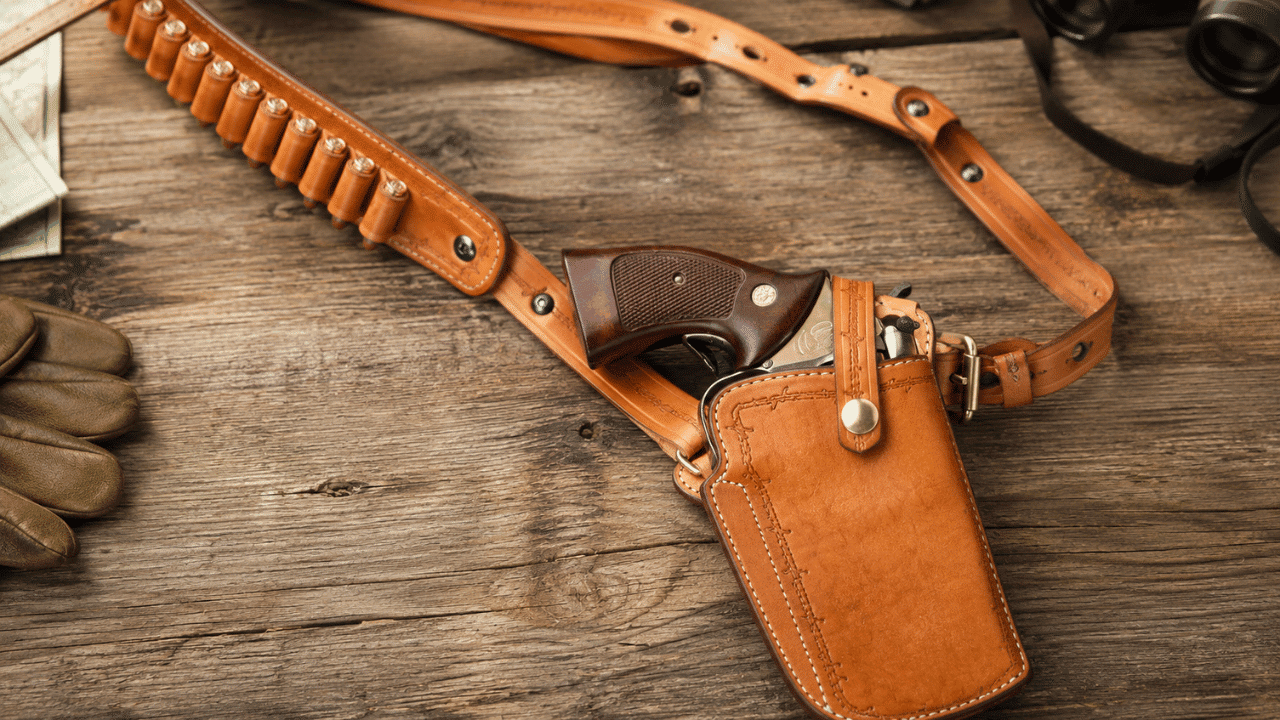 Good leather construction can often be identified before the rig is ever worn. Look closely at the material, edges, stitching, and hardware rather than focusing only on decorative details.
Look for Durable Leather and Clean Craftsmanship
Quality leather should feel firm enough to maintain its shape while remaining flexible enough for comfortable wear. Extremely thin leather may stretch prematurely, while overly stiff construction can create pressure points.
Use this quick inspection checklist:
- Look for straight, evenly spaced stitching without loose threads.
- Check that the edges are smooth, sealed, and free from rough areas.
- Test buckles, snaps, rivets, and adjustment points for solid movement.
- Confirm that the holster body does not collapse when the firearm is removed.
- Examine high-stress areas for reinforcement or double stitching.
A common mistake is assuming thicker leather automatically means better quality. Construction matters just as much. A thoughtfully built outdoor firearm carry system uses appropriate leather thickness in each area rather than making every component unnecessarily heavy.
Test Retention and Accessibility
Retention should keep the firearm secure during normal outdoor movement without making access excessively difficult. Depending on the design, this may involve a thumb break, retention strap, molded fit, or a combination of features.
Before relying on the rig, test it while standing, sitting, bending, and wearing your usual outdoor clothing. The firearm should remain secure, and straps should stay in position without constant adjustment.
Frequently Asked Questions
How tight should a leather hunting rig fit?
It should fit closely enough to prevent bouncing or shifting but not so tightly that it limits movement or creates pressure points. You should be able to adjust it for different layers of clothing while keeping the holster stable.
How can I make a leather hunting rig last longer?
Keep it clean, allow it to dry naturally after exposure to moisture, and store it away from excessive heat or direct sunlight. Use leather-care products recommended by the manufacturer, since too much oil or conditioner can soften the leather and reduce its ability to maintain its shape.