
How Leather Belts Are Made
Leather belts may look simple, but behind every finished piece is a detailed process that blends craftsmanship, material science, and precision. If you’ve ever wondered why some belts last decades while others crack within a year, the answer lies in how leather belts are made. In this guide, you’ll learn exactly how a leather belt goes from raw hide to a finished accessory and what separates premium quality from mass-produced alternatives.
From Raw Hide to Usable Leather
Selecting the Right Hide
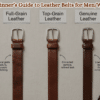
The process begins with animal hides, most commonly cowhide. In practice, full-grain leather is considered the highest quality because it keeps the strongest outer layer of the hide intact. This makes the belt more durable and resistant to wear.
Lower-grade options, such as bonded or corrected leather, are often used for cheaper belts. A common mistake buyers make is assuming all leather is the same, but the grade dramatically affects longevity.
The Tanning Process
Tanning transforms raw hides into usable leather. There are two main methods:
- Vegetable tanning – Uses natural tannins from tree bark. Produces firm leather that ages beautifully.
- Chrome tanning – Faster process using chemicals. Results in softer, more flexible leather.
Vegetable tanning is often preferred for high-quality belts because it develops a rich patina over time, much like a well-worn baseball glove.
Cutting and Preparing Straps
Once tanned, large sheets of leather are cut into long strips using precision cutting tools or hydraulic presses. These strips are typically:
- 1.25 to 1.5 inches wide
- Cut along the spine of the hide for maximum strength
The edges are then trimmed and smoothed. This step ensures the belt won’t fray or feel rough against clothing.
Shaping, Finishing, and Assembling the Belt
![The-Craftsmanship-Behind-the-Rudy-Lozano-Collection]() Edging and Burnishing
Edging and Burnishing
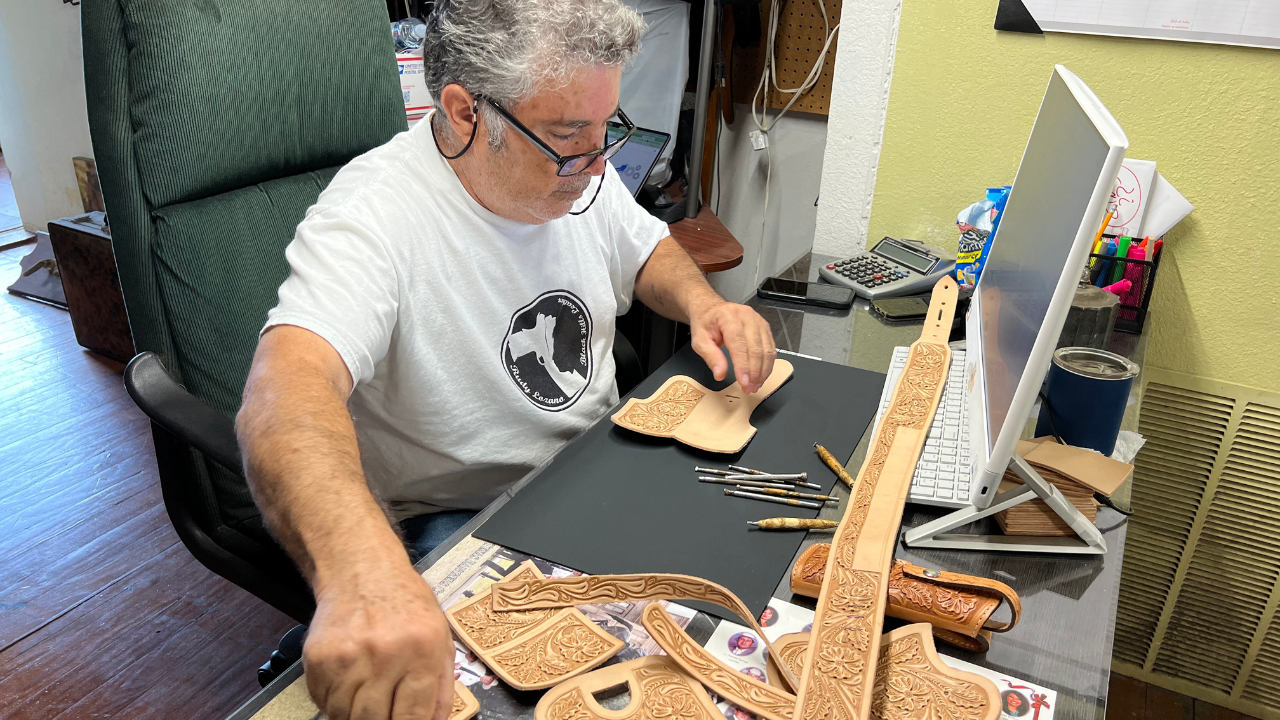 Edging and Burnishing
After cutting, the edges are beveled and burnished. Burnishing involves rubbing the edges with friction (often using a wooden wheel or edge slicker) to seal the fibers.
In practice, this is one of the key differences between a cheap belt and a premium one. A well-burnished edge feels smooth and slightly rounded rather than sharp or fuzzy.
Dyeing and Conditioning
Next comes coloring. The leather may be:
- Drum-dyed during tanning
- Hand-dyed for richer tones
- Finished with protective coatings
Conditioning oils are often applied to maintain flexibility. Without this step, the belt can dry out and crack over time.
Punching Holes and Attaching the Buckle
Precision hole punches create evenly spaced sizing holes. Then the buckle is attached using:
- Chicago screws
- Snaps
- Permanent stitching
High-end belts often use solid brass or stainless steel buckles for durability.
Quality Control, Craftsmanship, and What to Look For
Final Inspection
Before packaging, belts undergo inspection for:
- Consistent thickness
- Clean stitching
- Even dye application
- Proper alignment of holes
Any weak points, especially near the buckle fold, can shorten the belt’s lifespan.
What Makes a Leather Belt High Quality?
If you’re shopping and want something that lasts, look for:
- Full-grain or top-grain leather
- Single-piece construction (not glued layers)
- Solid hardware
- Smooth, sealed edges
Genuine leather belts can vary widely in quality, so don’t rely on labels alone.
Why Craftsmanship Matters
A well-made leather belt is like a good pair of boots, it improves with age. Over time, it molds slightly to your waist and develops character. In my experience, investing in a properly crafted belt often means you won’t need another for 10–15 years.
Understanding how leather belts are made helps you make smarter buying decisions. When you know what goes into the process, from tanning to burnishing, you can easily spot quality craftsmanship and choose a belt that truly lasts.
Frequently Asked Questions
1. How long does it take to make a leather belt?
Depending on the tanning method, the full process can take anywhere from a few days (chrome tanning) to several weeks (vegetable tanning). The actual cutting and assembly typically takes a few hours per belt.
2. What is the best leather type for belts?
Full-grain leather is generally the best choice because it’s the strongest and most durable. It resists cracking and develops a natural patina over time, making it ideal for everyday use.